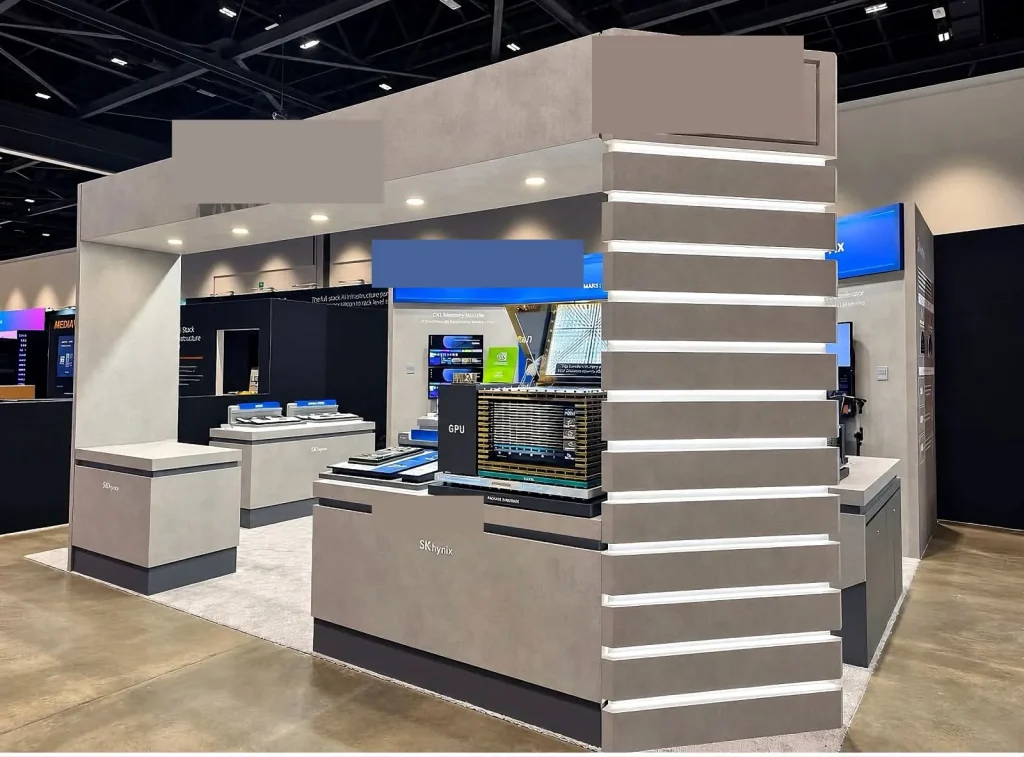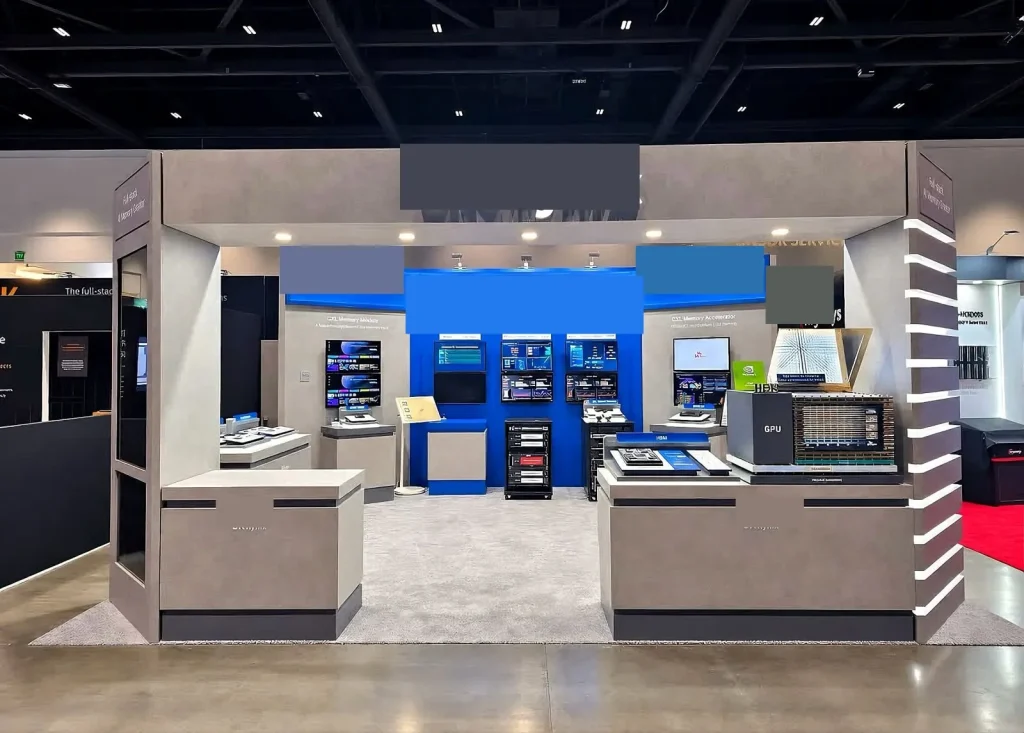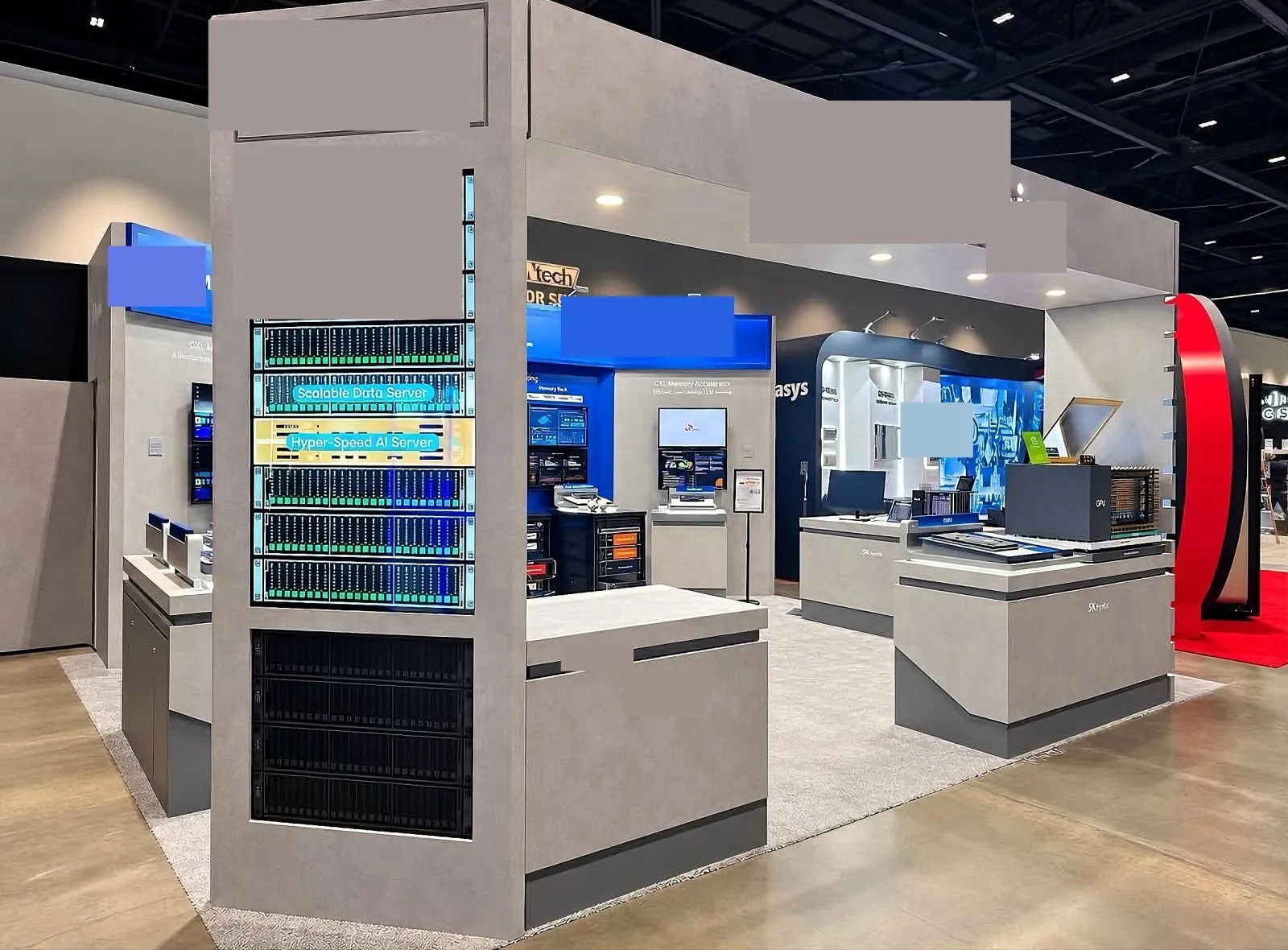
Exhibiting at an international trade show is one of the fastest ways for a Chinese company to meet overseas buyers face to face. It is also a project with many moving parts: space booking, stand design, visas, shipping, on-site build and follow-up, often across time zones and languages. This checklist sets out what to do and roughly when, so nothing important is left to the last week.
Timings below are typical planning windows, not fixed rules. Large shows and complex stands need more time; always check the organiser’s own deadlines.
9–12 Months Before: Choose the Show and Book Space
- Pick the right show. Look at the visitor profile, not just the size. A smaller specialist fair can deliver better buyers than a giant general one.
- Apply for space early. Popular shows allocate plots well in advance, and the best positions go first.
- Decide your stand type and size. Inline, corner, peninsula or island. This drives most of your budget. (See our guide to choosing a stand type.)
- Set a total budget. Include space rental, stand design and build, travel, shipping, samples, marketing and staff time, not just the plot price.
6–9 Months Before: Stand Design and Builder
- Brief your stand builder. Share the floor plan, plot number, goals, products to show and any brand guidelines.
- Review 3D designs. Check sightlines, product positions, storage and meeting space.
- Read the organiser’s technical manual. Height limits, rigging rules, fire-rated materials, electrical requirements and submission deadlines all come from here.
- Plan graphics in the local language or in English, written for buyers rather than translated straight from Chinese brochures.
4–6 Months Before: Visas, Travel and Logistics
- Start visa applications. Requirements vary by country, and processing can take weeks. Invitation letters from the organiser are often needed.
- Book flights and hotels. Hotels near major fairs fill up and get more expensive close to the date.
- Arrange shipping for exhibits. Decide what travels with you, what goes by freight and what is built locally. Ask your forwarder about customs procedures for temporary imports.
- Order show services. Electricity, water, internet, cleaning and hanging points are usually ordered through the organiser’s portal, with early-booking deadlines.
2–3 Months Before: Submissions and Marketing
- Submit stand drawings for approval if the organiser requires it, especially for two-storey stands, rigging or large structures.
- Confirm graphics, AV content and furniture.
- Invite customers. Email existing contacts and prospects with your stand number. Book meetings in advance; walk-in traffic alone is unpredictable.
- Prepare sales materials: product sheets, price guidance, business cards and a simple lead-capture method.
The Last Month: Final Checks
- Confirm build-up and dismantling times with your builder and the venue.
- Brief your team: who handles which products, how leads are recorded, who follows up.
- Check that exhibits and samples have shipped and track their arrival.
- Prepare a small on-site kit: tape, chargers, adapters, cleaning supplies, spare printed materials.
At the Show
- Arrive in time to check the finished stand before opening.
- Keep the stand tidy and the front open; stand at the edge, not behind the counter.
- Record every lead with notes on what they need and when.
- Visit competitors and neighbours. A trade show is also market research.
After the Show
- Follow up within days, not weeks. Buyers meet dozens of suppliers; a quick, specific follow-up stands out.
- Sort leads by priority and assign owners.
- Hold a short review: what worked, what to change in the stand, the staffing and the show choice.
- If you plan to return, ask about rebooking and reusing stand elements.
Working Across Time Zones and Languages
Much of the preparation happens remotely, so communication habits matter as much as the checklist:
- Name one decision-maker on your side for the stand, so the builder gets clear, final answers.
- Put every decision in writing, including design approvals, graphic files and changes, with dates.
- Agree on file formats early: vector logos, print-ready graphics and video in the resolution the screens need.
- Allow for public holidays in both countries. Production and shipping can pause for a week or more around major holidays.
Common Problems Chinese Exhibitors Face
- Late visas that leave key staff unable to travel.
- Designs that ignore local rules, leading to costly changes during build-up.
- Over-crowded stands with every product on display and no clear message.
- Graphics full of translated jargon that overseas buyers don’t understand.
- No follow-up plan, so good leads go cold.
FAQ
How early should we book a stand builder?
As soon as your space is confirmed. Starting design early gives time for revisions, approvals and production without rush costs.
Should we ship our stand from China or build it locally?
It depends on the stand size, the show location and whether you will reuse it. Discuss both options with your builder and forwarder before deciding.
What language should our stand graphics use?
English works at most international shows. For a strongly local audience, consider the local language for the key message. Keep the text short either way.
Do we need someone on site during build-up?
It is strongly recommended. Someone from your team should check the stand, the products and the graphics before the show opens.
Need a Stand Partner for Your Next Overseas Show?
Bodon is based in Nanjing and works with Chinese companies exhibiting at international trade shows, handling the floor plan, 3D design and construction drawings, and coordinating on-site build-up and exhibitor registration and paperwork. Tell us which show you’re planning →